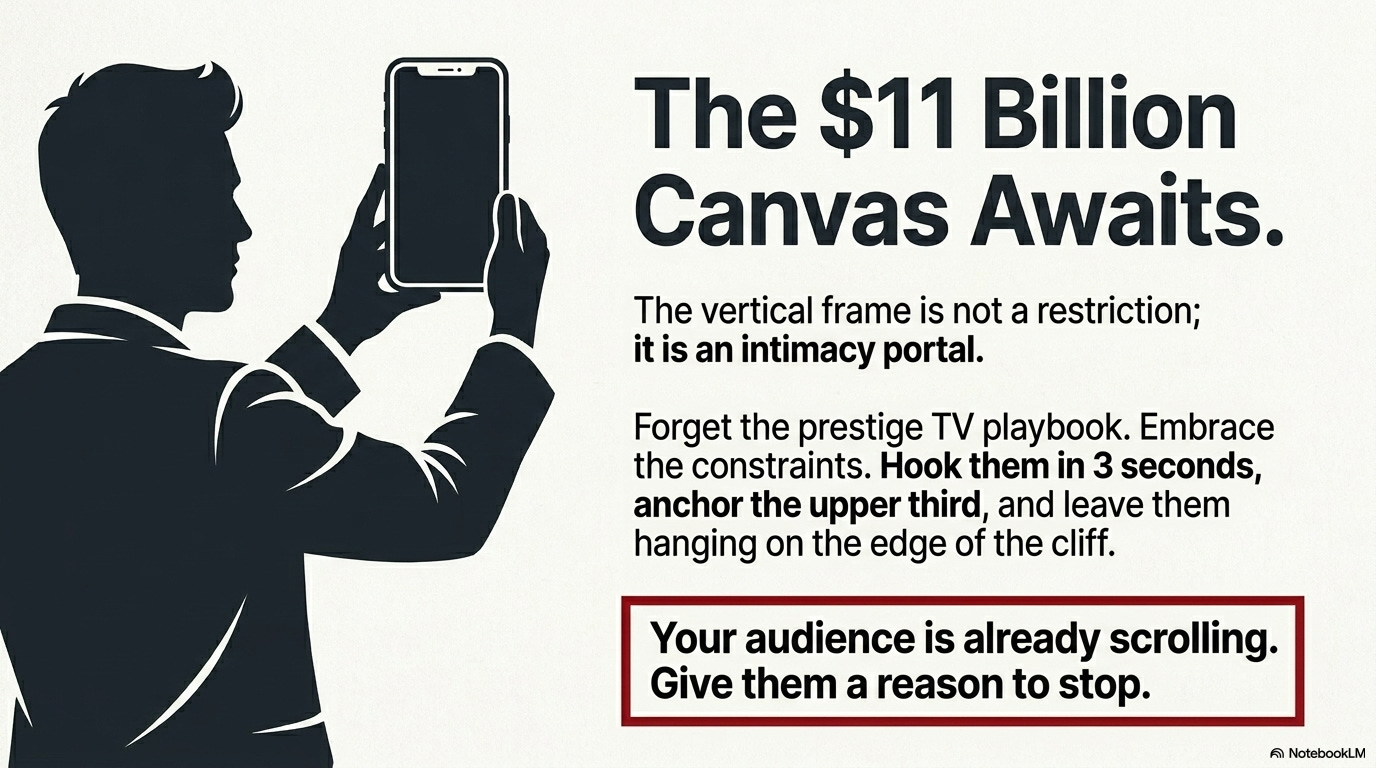
The Zero-Budget Goldmine: A Masterclass in Vertical Micro-Drama for 2026

By May 2026, the traditional cinematic landscape has undergone a tectonic shift, repositioning vertical micro-dramas from what was once considered the industry’s neglected offspring into a powerhouse market projected to exceed 11 billion dollars.
To understand this evolution, we must synthesize the reality that platforms like ReelShort and DramaBox have pioneered a movement where serialized, bite-sized episodes dominate global attention.
These vertical series have transitioned into highly scalable revenue-generating intellectual property, effectively becoming the mobile-first version of legacy streaming giants.
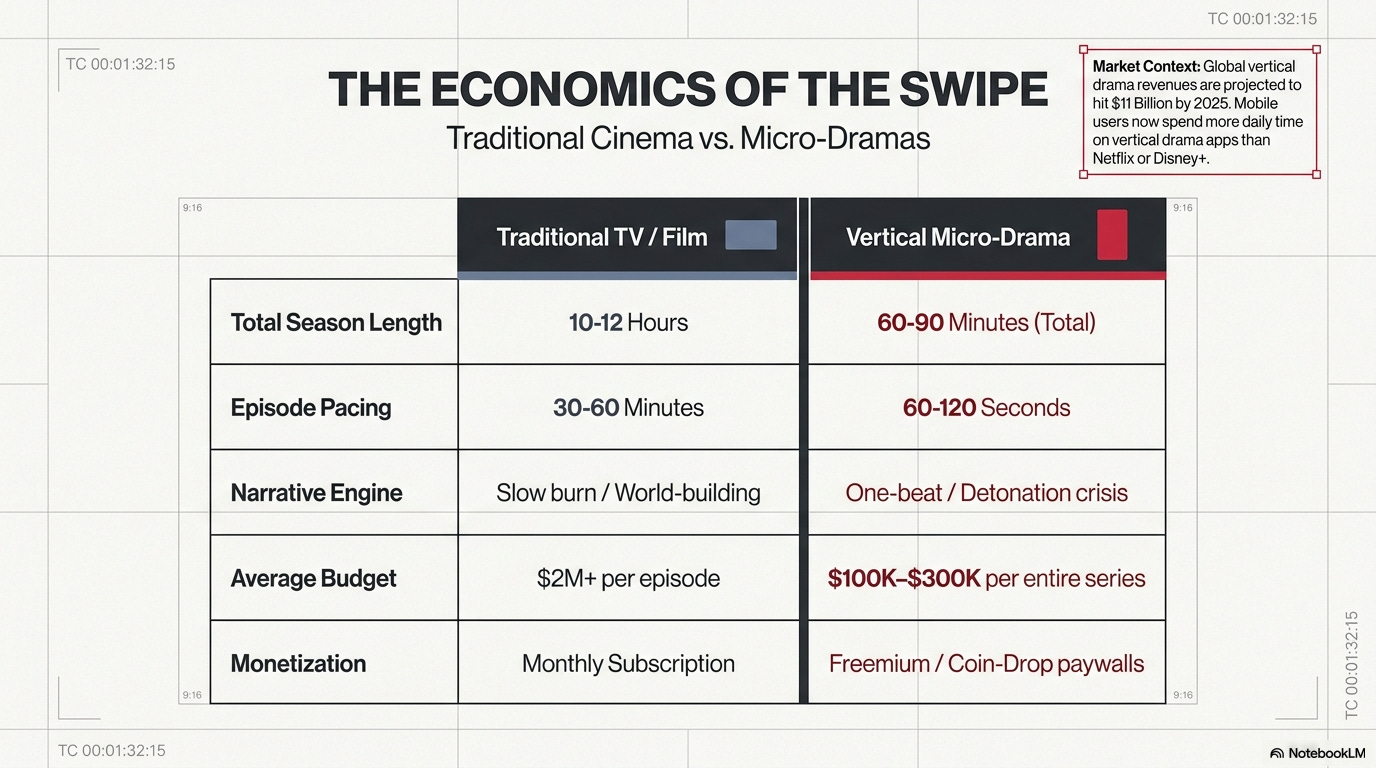
We should evaluate the profound shift in consumer attention toward one to two minute episodic binging, a change that creates a high-ROI opportunity for creators who can produce professional-grade content with minimal resources.
This new age of the digital soap opera proves that storytelling is no longer an experiment or an uncertain niche: it is a durable, category-defining business model where the revenue supports professional rates for crews while demanding a new level of creative efficiency.
Success in this market requires a sophisticated approach to funding and pre-production that prioritizes lean operations and the capture of available resources. We can analyze the funding ecosystem of 2026, where found money serves as the bedrock for zero-budget projects.
Significant opportunities exist through the National Endowment for the Arts (NEA), specifically the Grants for Arts Projects with a July 10, 2025, deadline for projects slated for June 2026 starts, though it is critical to note that these direct grants are reserved for non-profit organizations.
For the independent creator, the bridge to this capital is through fiscal sponsorship programs like those offered by the Santa Fe Film Institute or the Austin Film Festival, which allow individuals to accept foundation support and tax-deductible donations.
Furthermore, you should look toward the recently explored 5 million dollar Los Angeles Micro-drama Incentive, a program that was unanimously voted for exploration in early 2026 to attract high-volume production through subsidies and an expedited three-day permit approval pathway.
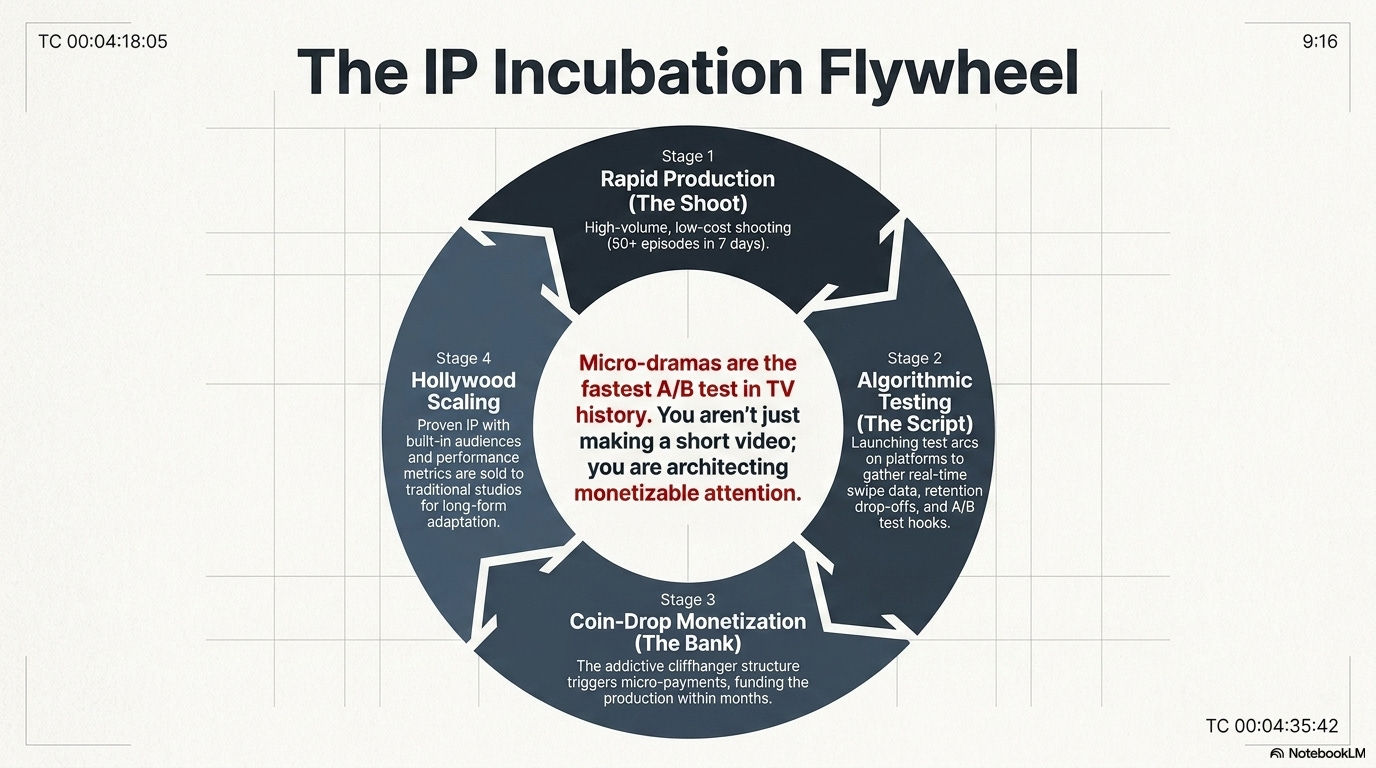
When planning these projects, speed is the primary survival metric: you must deconstruct the Day Out of Days logic to successfully shoot 80 to 120 page scripts in under ten days.
This intense pace demands a nearly 1:1 shooting ratio where there is no time for extra nice or crispy shots: speed is the only metric that matters because in 2026, done is better than perfect.
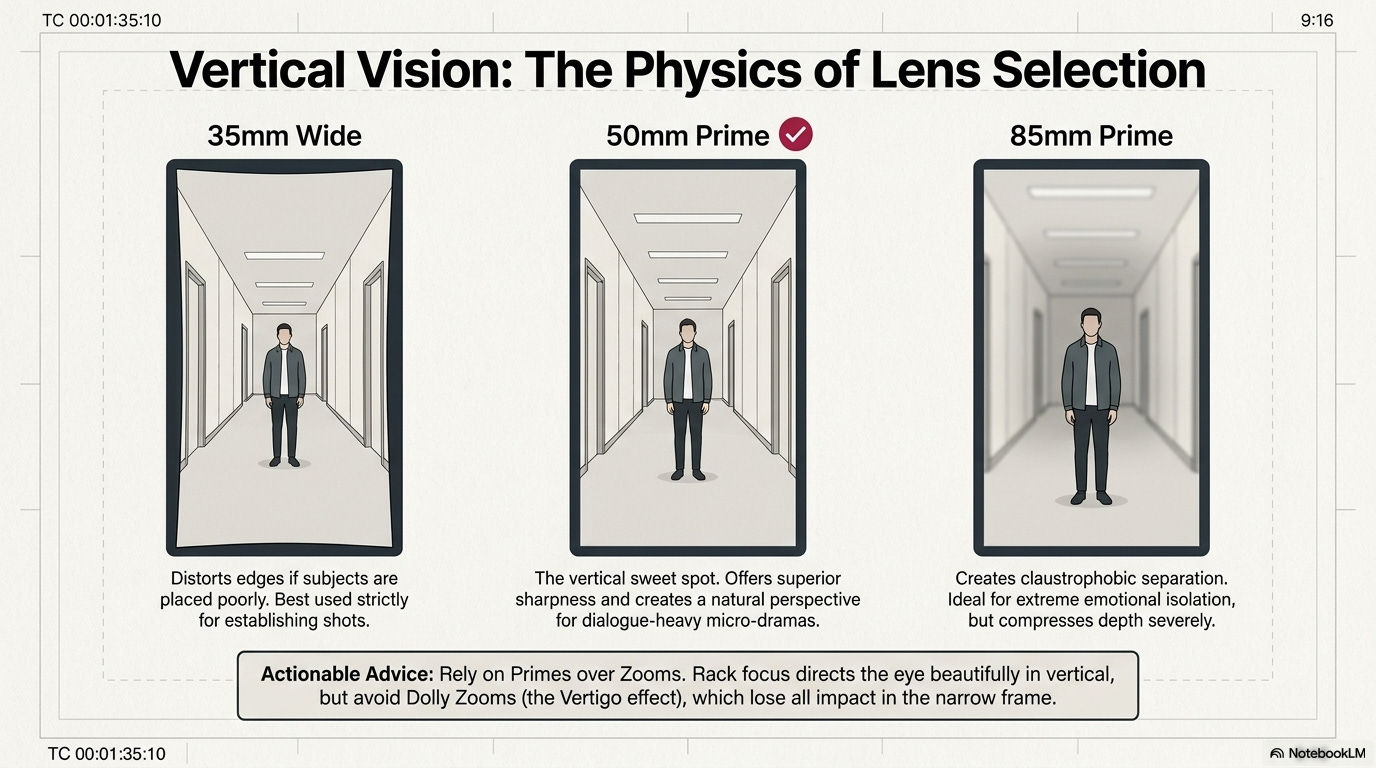
The transition from the production office to the set requires you to adopt the professional philosophy that limitation is not the sensor, particularly as the iPhone 17 Pro Max has become the center of the 2026 professional mobile rig.
A high-quality build requires a SmallRig cage or a Beastgrip Pro to provide the necessary weight for stabilization and the mounting points required for professional accessories. The most critical, non-negotiable component of this rig is a Variable ND filter (such as those from PolarPro or Freewell), which acts as a pair of sunglasses for the lens.
You can analyze the Cinematic Secret behind these filters: they allow a creator to lock the shutter speed at 1/48s even in the bright May sunlight. This prevents the jittery Soap Opera Effect caused by high automatic shutter speeds, ensuring natural motion blur that mimics high-end cinema.
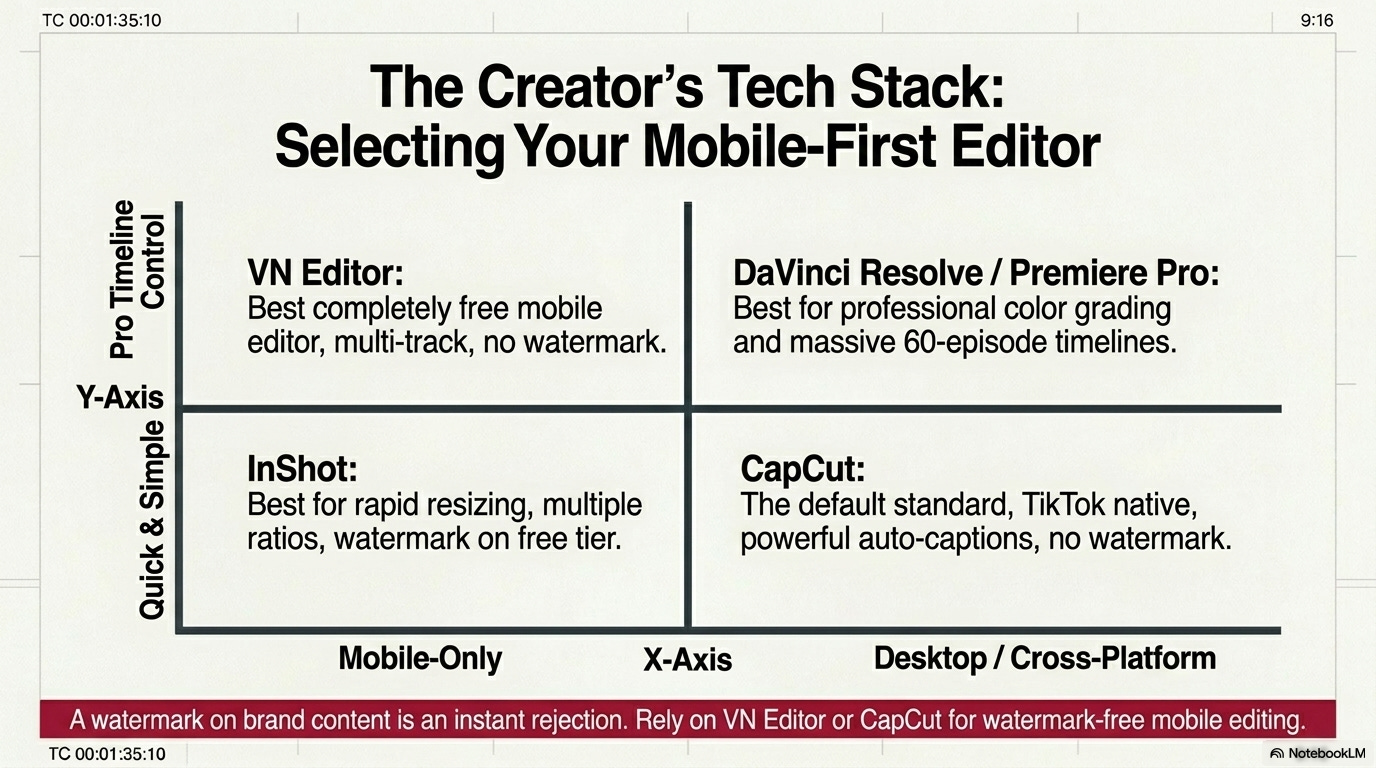
To truly master the image, you must move beyond the native camera app, which is often too automatic, and utilize the Blackmagic Camera App to access professional tools like Focus Peaking and False Color for precise exposure control.
Aesthetic execution also requires a strategic approach to lighting and audio where you achieve a 10,000 dollar look for fifty bucks by making high-impact choices.
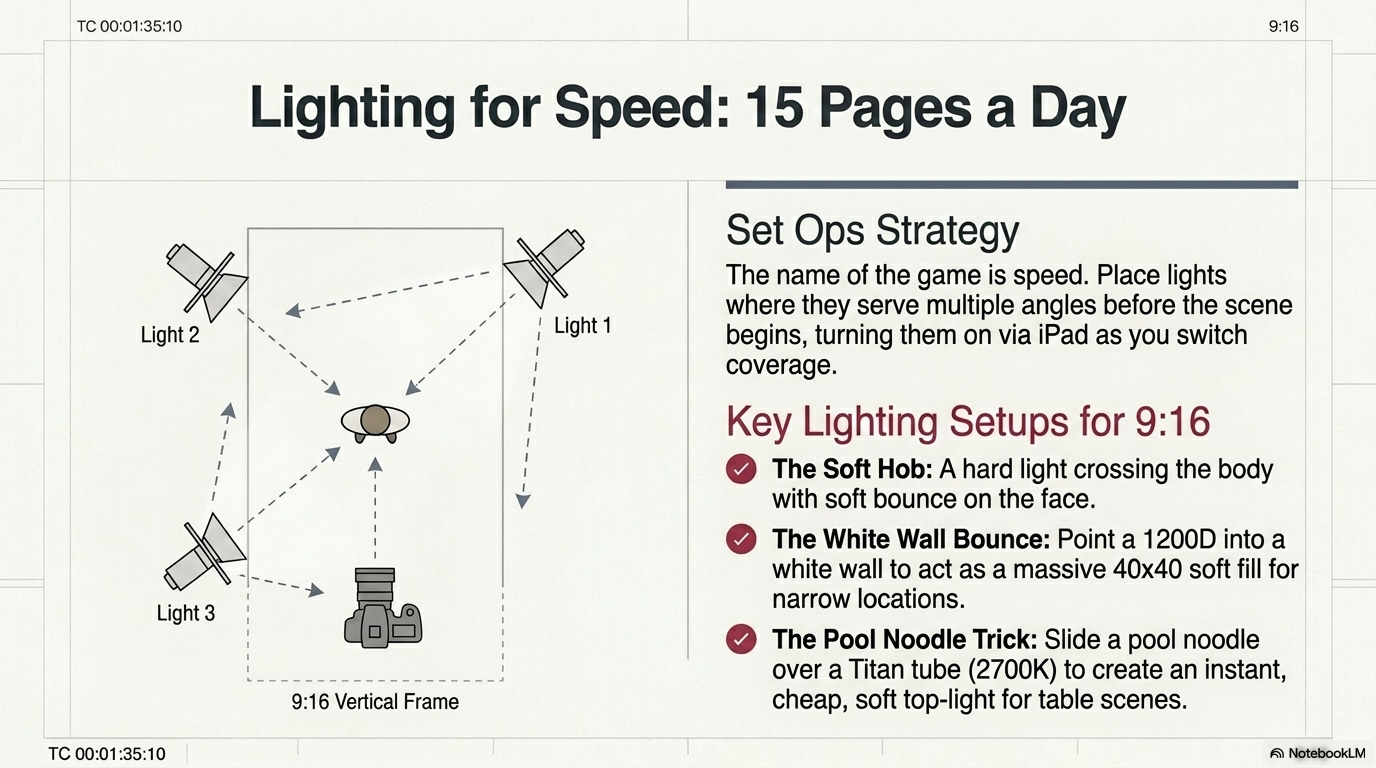
You can build a professional lighting kit using a 30 dollar Ulanzi tube light, window light, and a 5 dollar Walmart shower curtain for DIY diffusion. For more creative control in narrow corridors, you can use the gaffer trick of sliding a pool noodle over a Titan tube to create soft, directed light. By deconstructing professional setups like the Hollywood Sandwich or the Rembrandt Style (where you aim for that classic triangle of light on the cheek opposite the key), you can create the depth required to avoid the flat look common in amateur work.
Audio is equally vital, and in 2026, you should utilize 32-bit float recording through the DJI Mic 2 or the Dolby On app to ensure that dramatic performances never clip or distort, regardless of the actor's volume. Using headphones and meters for live audio monitoring is essential, as professional sound is fifty percent of the viewer's experience.
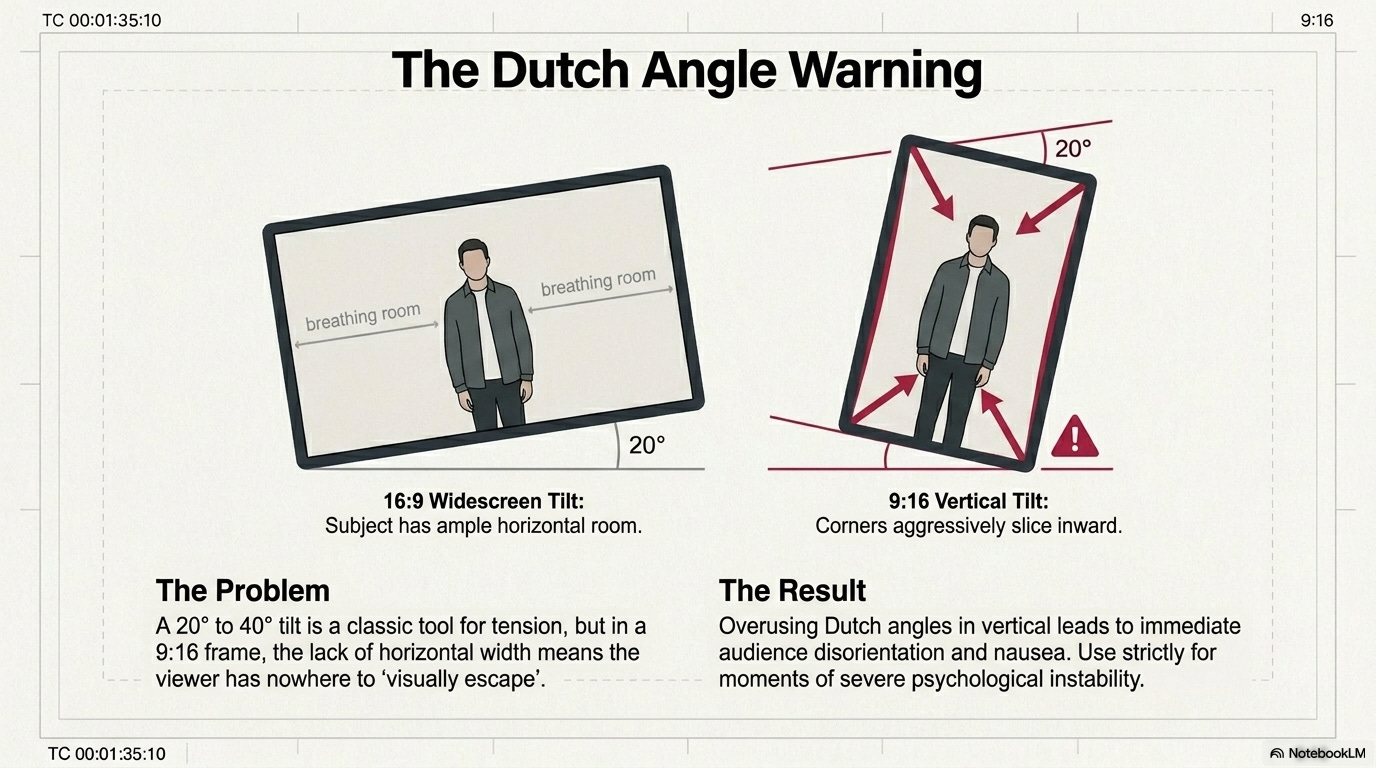
Directing for the 9:16 canvas requires a complete re-evaluation of the psychology of the vertical frame. You must apply the Upper Third rule, ensuring that eyes and focal points remain in the top portion of the mobile screen.
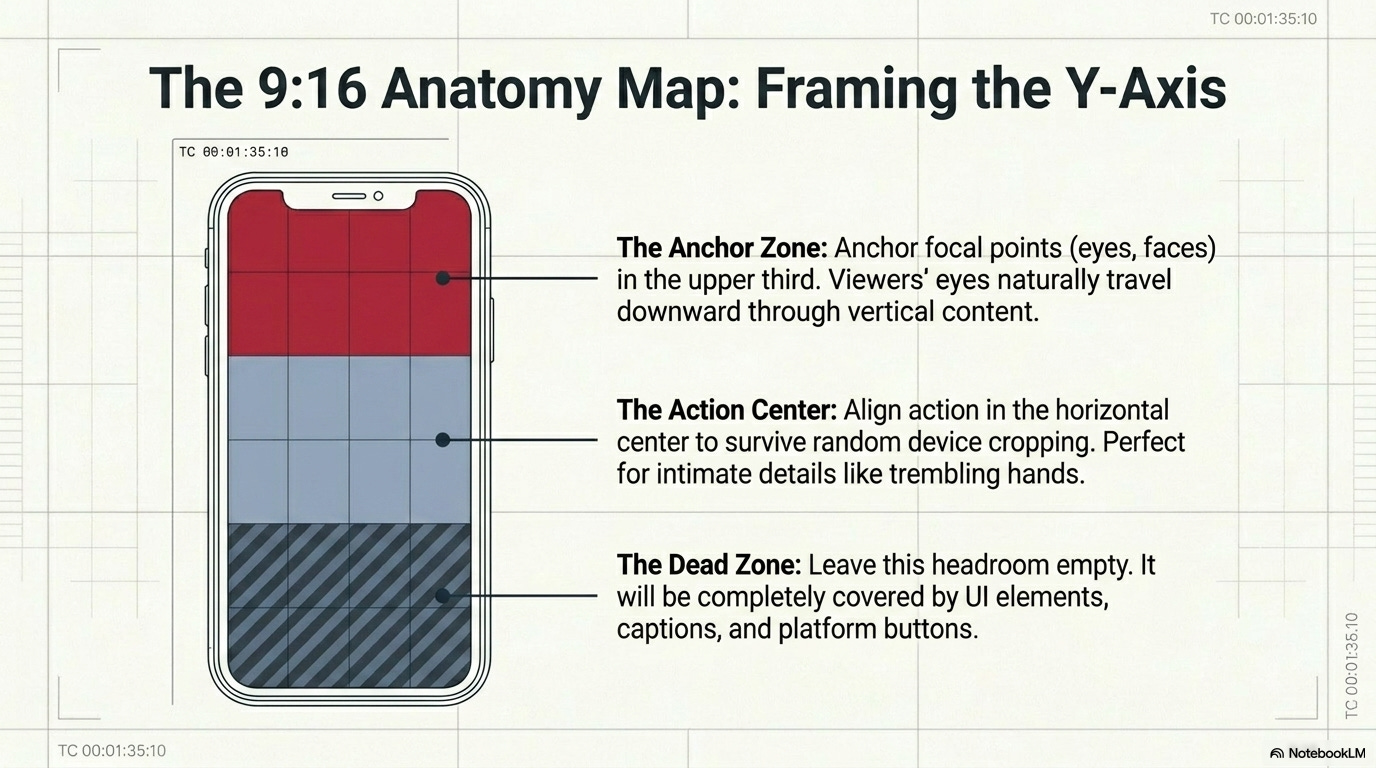
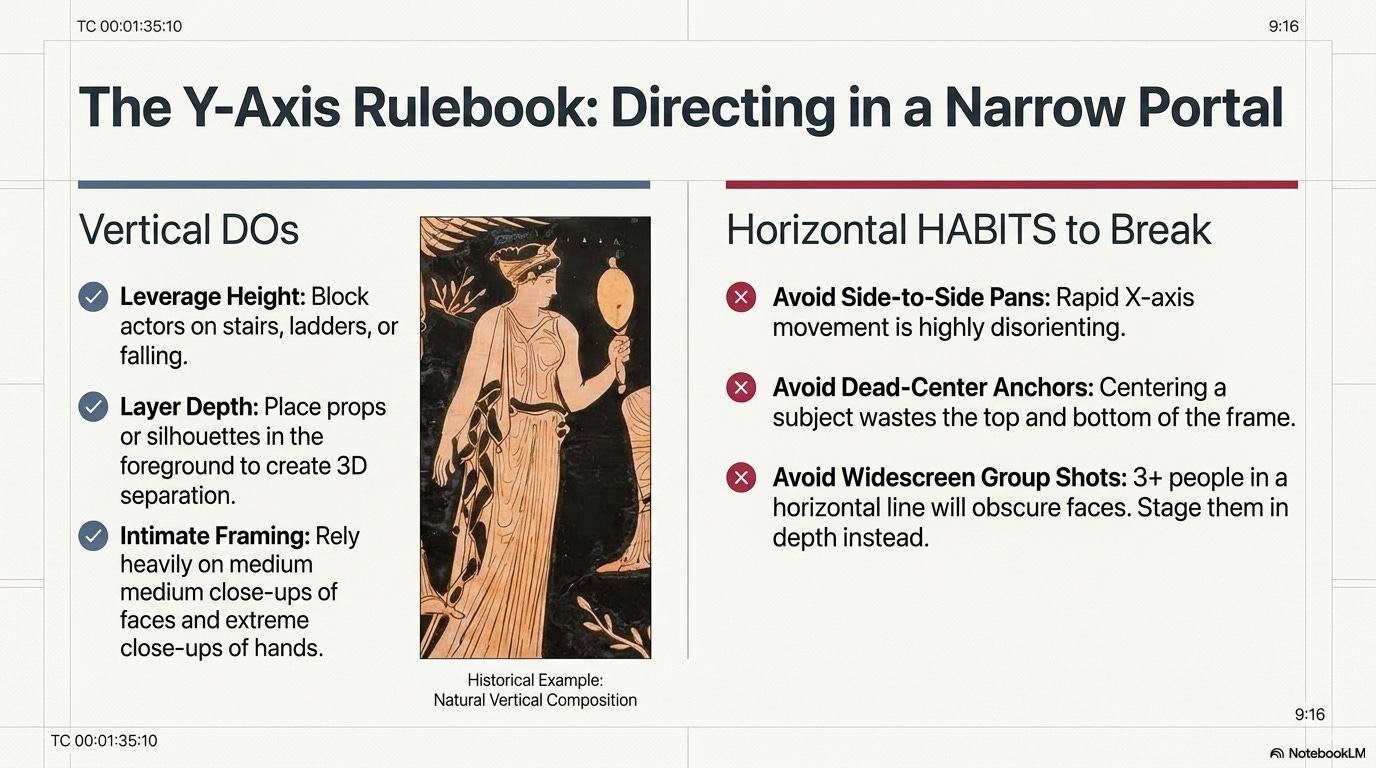
This is not just for visual flow: it is a practical necessity because mobile app buttons and captions often clutter the bottom of the frame, creating UI interference that can obscure your actors. When managing dynamic blocking for three or more people in such a narrow frame, you can employ the Hollywood Camera Work methodology to maintain clear conversation lines and viewer orientation.
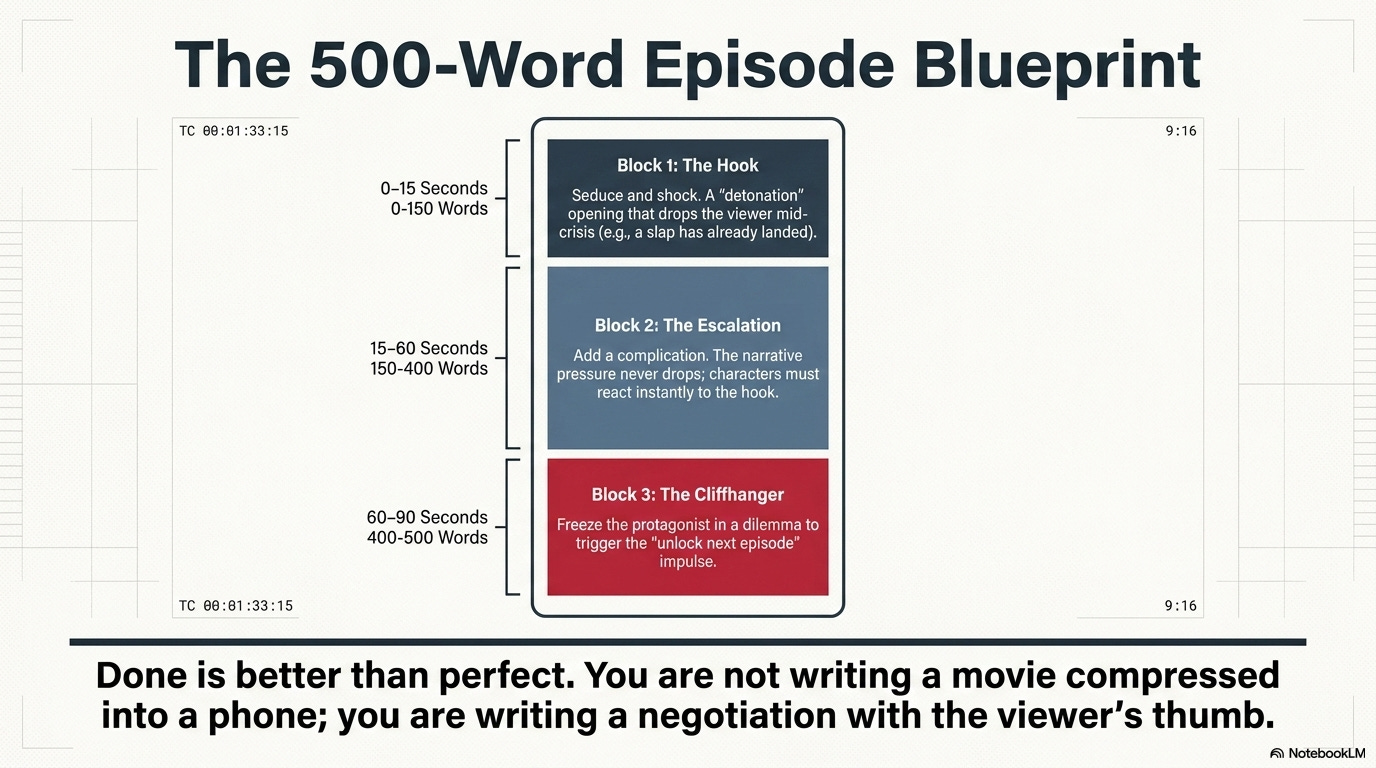
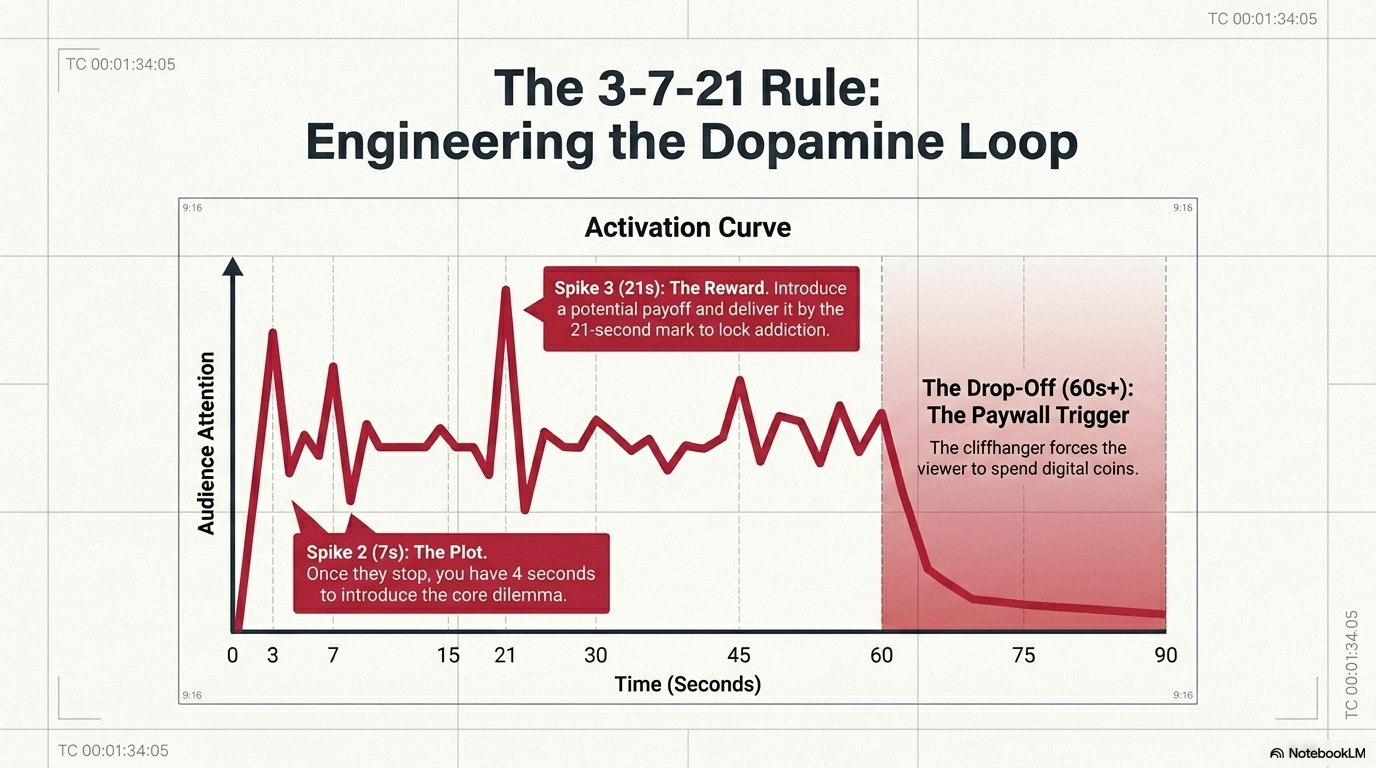
The narrative structure of these series must be deconstructed for maximum retention: each two-minute episode must end on a significant cliffhanger to drive in-app purchases and consistent engagement. This volume-based approach transforms a simple video into a revenue-generating asset that captures the audience's attention in a crowded digital marketplace.
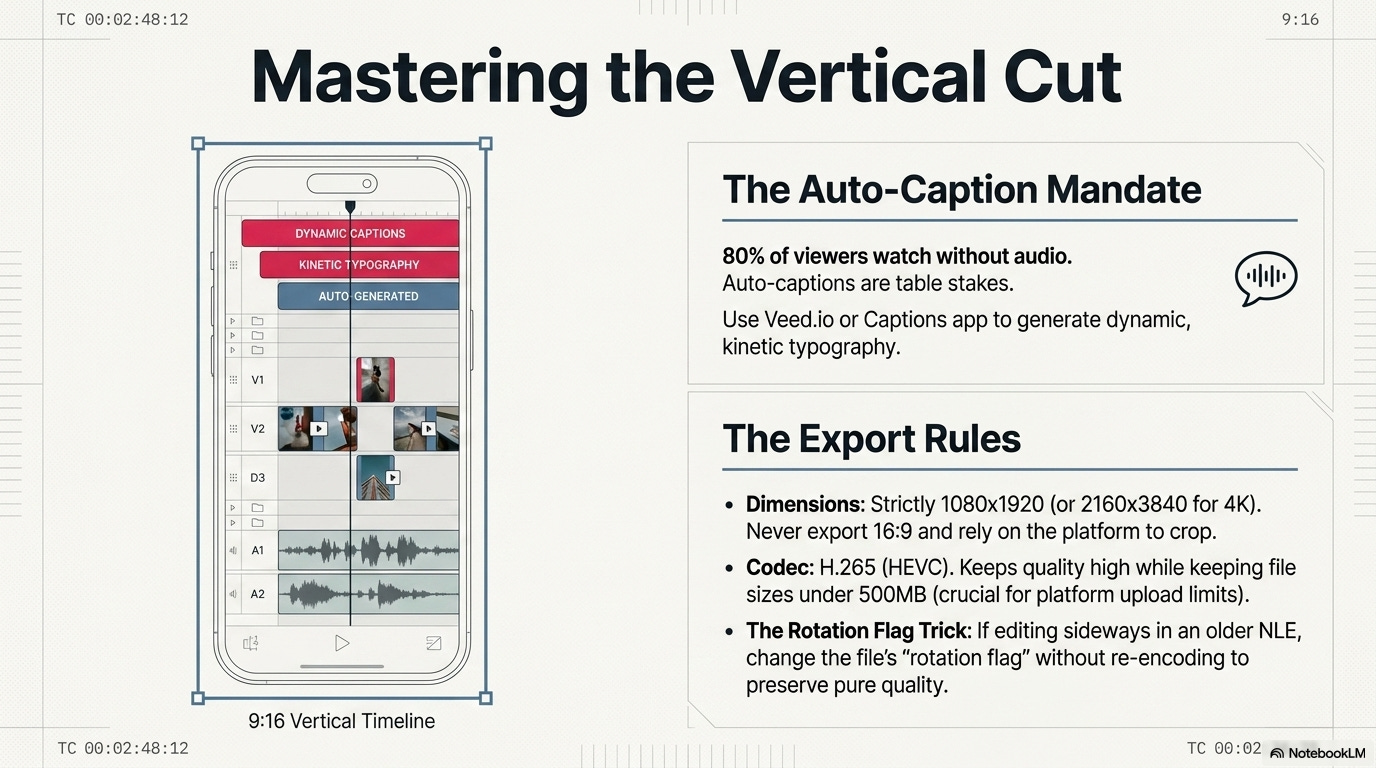
As you move into post-production, the workflow of the fast-moving vertical market demands that you prioritize assets over perfection. You must synthesize the technical requirements of editing in native 9:16 (1080x1920) and sourcing free music via the Free Music Archive or Archive.org.
You should critique the common pillar-boxing mistake, opting instead for native vertical embedding on platforms like Vimeo or Substack to maximize engagement without the distraction of black bars.
This model even allows for the fragmentation of existing feature films into short episodes, a strategy that can revitalize stagnant IP for new audiences.
In May 2026, the barrier to global distribution is not a massive studio budget but the creative will to use existing tools to their fullest potential.
Success belongs to those who recognize that the vertical frame is not a limitation but a new frontier for cinematic storytelling.